


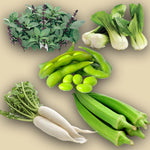




🌿 Kit di semi giapponesi
Il kit di semi giapponesi offre una selezione di piante uniche e interessanti, ognuna con le sue caratteristiche distintive:
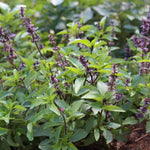
🌱 Basilico Liquirizia (Basilico Thailandese)
Conosciuto anche come basilico all'anice o basilico persiano, questa varietà deve la sua fragranza all'anetolo, lo stesso composto che si trova nell'anice. Ampiamente usato nella cucina italiana e tailandese, presenta steli scuri e foglie con venature viola dal gradevole aroma di anice.
Curiosità: le infusioni di foglie di basilico sono state tradizionalmente considerate toniche e stimolanti.
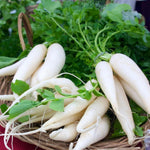
🥕 Daikon (Ravanello Giapponese)
Conosciuto anche come ravanello cinese o giapponese, "daikon" significa "grande radice", spesso supera i 30 cm di lunghezza. Appartiene alla famiglia dei ravanelli, nota per il suo alto valore nutrizionale. La grande radice bianca e le foglie verdi sono entrambe commestibili, perfette in zuppe, insalate o come germogli. Ricco di vitamina C, a basso contenuto calorico e apprezzato per le sue proprietà digestive.
🫛 Edamame (Fagioli di soia)
Giovani semi di soia ampiamente usati nella cucina asiatica. I semi di edamame sono ricchi di proteine, fibre e vitamine, con un sapore delicato e una consistenza croccante.
Per una migliore germinazione, immergere i semi in acqua tiepida per 24 ore prima della semina. I baccelli sono pronti per essere raccolti quando completamente sviluppati e di un verde brillante.
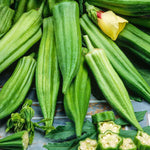
🌿 Okra (Hibiscus esculentus)
Una pianta erbacea annuale della famiglia delle malvacee. Le piante possono crescere fino a oltre 2 metri di altezza e sono naturalmente robuste. Le foglie sono larghe e leggermente spinose, simili alle piante di zucca. Raccogliere i baccelli quando sono ancora piccoli e teneri per evitare che diventino duri. Ampiamente usata come verdura nella cucina africana e indiana.
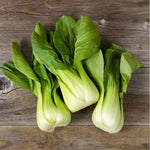
🥬 Pak Choi (Cavolo Cinese)
Una verdura a foglia verde di origine asiatica, nota per la sua consistenza croccante e il sapore leggermente amaro. Ricco di vitamine e minerali, può essere coltivato in vaso o in piena terra. Preferisce il pieno sole o la mezz'ombra. A crescita rapida e resistente al freddo, anche se sensibile al caldo eccessivo. Con la giusta cura, porta un sapore fresco e orientale sulla vostra tavola.